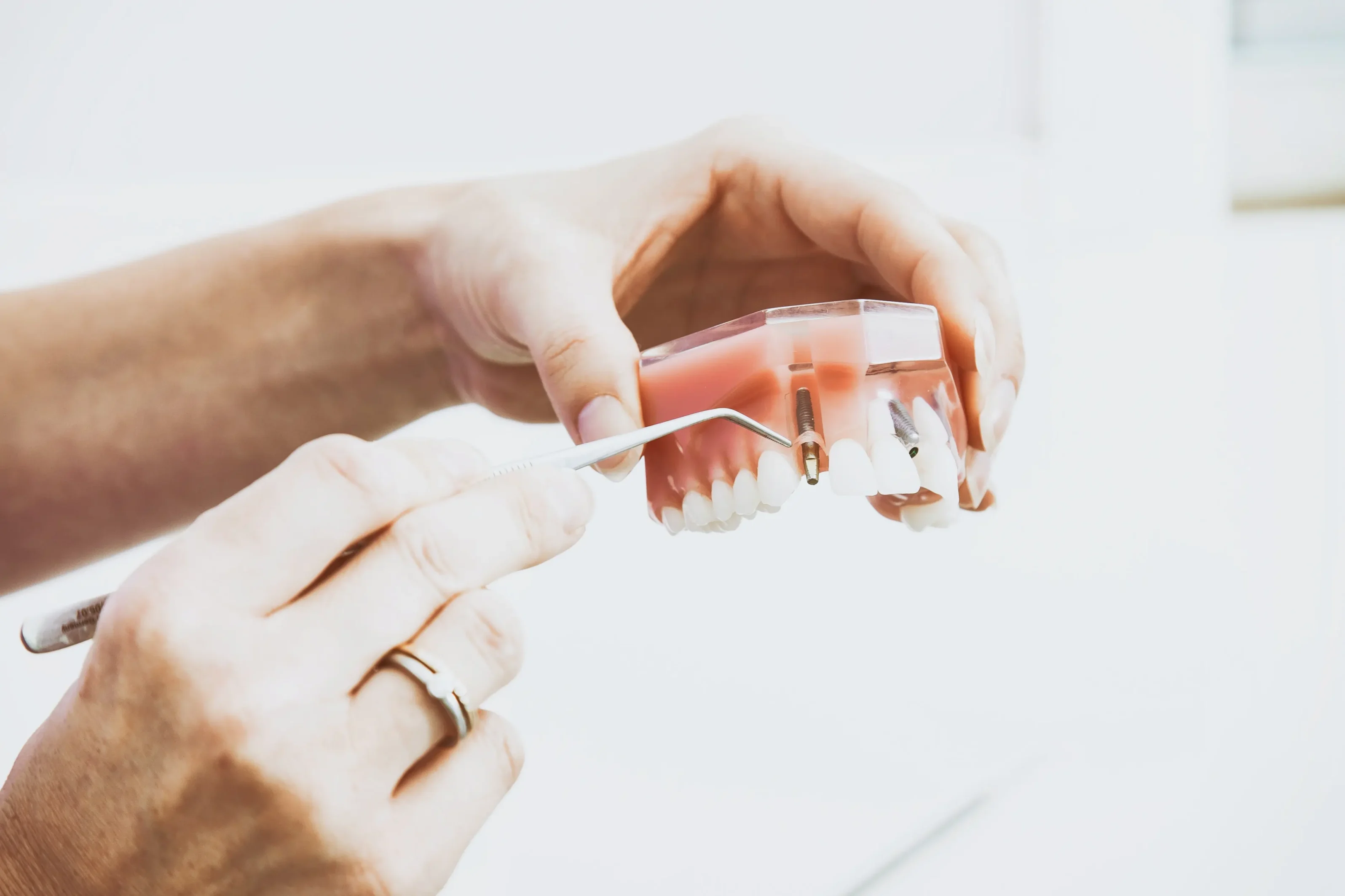
Urgent Dental Care, Anytime You Need It
Dental emergencies don’t always happen during business hours. That’s why Smile House offers emergency and after-hours appointments, so you can speak to a dentist and get the right care, right when it matters most.

Need Help Right Now?
If you’re in pain, don’t wait. Call Smile House now to speak to a dentist and get seen quickly, even after-hours

Recognising a Dental Emergency
From cracked teeth and intense pain to knocked-out or loose teeth, our team is ready to help, especially after-hours. If you’re unsure whether your symptoms count as an emergency, give us a call or see our quick guide below.
Steps to Take in a Dental Emergency
Dental emergencies can be stressful, but staying calm and acting quickly makes all the difference. Our team is here to help, and the sooner you get in touch, the better the outcome.
- Stay calm and take slow, deep breaths: panicking will only make things harder.
- If there’s bleeding, gently apply pressure with a clean cloth or gauze.
- Bring any dislodged tooth with you to the appointment. Depending on the damage, it may be possible to reinsert it.
- If a crown or filling comes loose, keep it safe. We may be able to reattach it, depending on the cause.
- For swelling or tooth pain, you may require antibiotics or prescription medication. Over-the-counter options can help in the short term, but it’s important to find the root cause.
- Call us as soon as you can, especially if there’s pain, swelling, or trauma. Fast action can mean the difference between saving or losing a tooth.
Dental emergencies don’t stick to a schedule. That’s why we offer late evening appointments on Thursdays and Fridays, and we’re open Saturdays too. If your emergency happens outside these hours, please don’t hesitate to call: our after-hours service is here when you need it most.
Fast Access When You Need It
Immediate appointments available after-hours or on weekends.
No Additional Emergency Fees
Transparent pricing: what you see is what you pay.

Experienced, Gentle Care
Our trusted team is trained to handle emergencies with empathy.
Relief Starts Sooner
Rapid diagnosis and pain management when it matters most.
When Should You Seek Emergency Dental Care?
Dental emergencies can happen when you least expect them. Whether you’re dealing with sudden pain, a knocked-out tooth, or unusual swelling, knowing what to do next can make all the difference. Below, we’ve outlined the most common dental emergencies and how we can help, so you’re never left wondering when to call.
Below are the most common issues our emergency dentists treat. If you’re experiencing any of the below, call us, even if you’re unsure, it’s better to ask.
Toothache, tooth pain or sensitivity
If you are experiencing severe or persistent tooth pain or sensitivity to hot, cold, sweet or pressure seeking emergency treatment is important. This discomfort could indicate a serious dental issue, such as an infection associated with the nerve within the tooth, a crack in the tooth, or breakage.
Swelling or bleeding gums
Knocked-Out or Loose Tooth
Jaw Pain or Injury
Oral infections or abscesses
Loose or fractured teeth
How to Avoid Dental Emergencies
Most dental emergencies can be prevented with a few simple habits and a little extra care. Below are our top tips for protecting your smile and reducing the risk of urgent dental visits:
- Maintain good oral hygiene.
Brush twice daily and floss at least once a day to keep your teeth and gums healthy. - Watch your diet.
Sticky sweets and sugary sports drinks can erode enamel and cause decay. Opt for a balanced diet to support long-term oral health. - Be mindful of hard foods.
Chewing on hard items can lead to cracked or fractured teeth. Avoid them where possible. - Don’t use your teeth as tools.
Opening bottles, tearing packets, or biting nails can put undue pressure on your teeth and lead to avoidable damage. - Use a mouthguard during contact sports.
Protect your teeth and jaw by wearing a properly fitted mouthguard whenever you’re at risk of impact. - Stay hydrated.
A well-hydrated mouth helps wash away food particles and bacteria. Dry mouths increase the risk of decay. - See your dentist regularly.
Six-monthly checkups allow us to catch small issues early and help prevent future emergencies. - Take charge of your oral health.
Preventing emergencies starts with small daily habits. Every bit of care adds up. - Invest in prevention, not correction.
A proactive approach to oral health can save you discomfort, stress, and unexpected expenses down the line.
Still Have Questions?
Below are some of the most common questions we’re asked with answers to help you feel informed and confident.
If you’re still unsure, don’t hesitate to call us: we’re here to help.
What counts as a dental emergency?
Anything involving severe pain, swelling, trauma, a knocked-out or cracked tooth, or bleeding that doesn’t stop should be treated as urgent. If you’re unsure, call us: we’ll advise you right away.